Getting Your Ford Ready for a Winter Road Trip: Checklist + OEM Parts Guide
A winter road trip in your Ford can be a great way to visit family, reach a ski town, take a quiet weekend away, or simply handle a long drive when the weather is not on your side. The key is preparation. Cold starts, dark roads, slush, salt, and sudden temperature drops can turn small maintenance issues into trip delays.
This Ford winter road trip checklist focuses on practical cold weather prep, not guesswork. Use it before you leave to check the systems that matter most: starting, stopping, visibility, cabin heat, traction, and engine protection. A little time in the driveway can save you from handling repairs in a parking lot, gas station, or roadside pull-off.
Quick Answer: What to Check Before a Ford Winter Road Trip
Before a winter road trip, check your Ford’s battery, tires, brakes, windshield wipers, headlights, antifreeze, hoses, serpentine belt, heater, defroster, spark plugs, and oil service items. These parts help your vehicle start reliably, stay warm, stop safely, clear the glass, and handle cold-weather driving conditions.
Try to inspect the vehicle at least a week before you travel. That gives you time to order OEM Ford parts, schedule service, test repairs, and avoid rushing the night before you leave.
Ford Winter Road Trip Checklist: Essential OEM Parts & Cold Weather Prep Guide
Plan Around the Trip You Are Actually Taking
Not every winter drive needs the same preparation. A two-hour highway trip in light cold is different from a full day through mountain roads, rural areas, heavy snow, or freezing rain. Before you make a parts list, think through the route.
Will you be driving before sunrise or after dark? Are you crossing areas with poor cell service? Will you carry passengers, luggage, tools, skis, pets, or holiday cargo? Extra weight can affect braking and handling, especially on slick roads. Longer trips also give small issues more time to show up.
A useful winter driving checklist for Ford owners should match the road ahead. The goal is not to replace every part on the vehicle. The goal is to find weak points before winter weather does.
Test the Cold Start Before Travel Day
Start your Ford after it has sat overnight in cold weather. Listen closely. A healthy start should sound steady. A slow crank, clicking sound, flickering lights, or hesitation can be a warning that the battery or charging system needs attention.
Cold weather often exposes battery problems before anything else. If the battery is older, weak, or showing corrosion around the terminals, check fitment for a replacement Ford vehicle battery. Also inspect the cables and terminals, since a strong battery still needs clean connections to work properly.
Make Visibility a Full System Check
Winter visibility depends on more than the windshield. Wiper blades, washer fluid, headlights, defroster airflow, and clean glass all work together. If one part is weak, driving in snow or road spray becomes tiring fast.
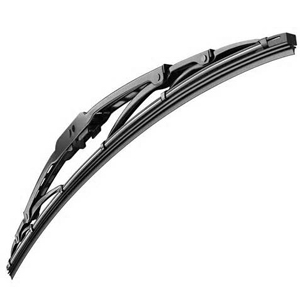
Replace worn Ford wiper blades if they streak, chatter, skip, or leave cloudy patches. Fill the washer reservoir with winter washer fluid and consider carrying extra on longer highway trips, where salt spray can use it up quickly.
Check your lights in low light, not only during the day. Test low beams, high beams, brake lights, turn signals, reverse lights, and hazards. If the housings are damaged or the light output is poor, inspect replacement Ford headlights before the trip.
Confirm the Heater and Defroster Work Properly
A warm cabin is comfortable, but clear glass is the safety issue. Before leaving, run the heater long enough to confirm that warm air reaches the vents. Switch through floor, dash, and defrost modes. Make sure the blower speeds respond and the windshield clears evenly.
If your Ford warms up slowly, blows cool air, fogs the glass, or has weak defroster airflow, the issue may involve coolant level, a thermostat, heater components, or the defroster ducting. Depending on diagnosis, you may need Ford heater parts, thermostats, or a replacement windshield defroster nozzle.
Give the Tires More Than a Quick Look
Tires can decide how confident your Ford feels in winter. Check tread depth, air pressure, sidewall condition, and uneven wear. Set pressure when the tires are cold, since temperature changes can affect readings.
If your route may include snow, ice, or mountain roads, consider whether your current tires are right for the trip. The best tires for snow on a Ford depend on the model, tire size, climate, and how often you drive in winter conditions. Some drivers use a dedicated winter setup with a second set of Ford wheels, which can make seasonal tire changes easier.
Do not forget the spare tire if your Ford has one. Check the jack, lug wrench, wheel lock key, inflator kit, or sealant kit, depending on how the vehicle is equipped.
Check the Brakes Before the Roads Get Slick
Winter roads leave less room for brake problems. During a short test drive, pay attention to squealing, grinding, vibration, pulling, or a pedal that feels soft. Any of these signs should be inspected before a long trip.
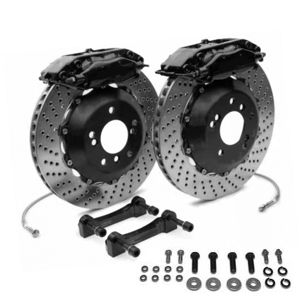
Look at the condition of your Ford brake pads and related brake discs, rotors, and hardware. Pads and rotors are the obvious parts, but hardware also matters because it helps components move and release correctly, especially after exposure to moisture and road salt.
Protect the Engine With the Right Coolant Prep
Antifreeze is a winter essential because it helps protect the engine from freezing while supporting normal operating temperature. Low coolant, old coolant, leaks, or weak hoses can also affect heater performance, which matters when you need to clear the windshield.
Check the coolant reservoir only when the engine is cool. Look for leaks, crusty residue near hose connections, cracked hoses, swelling, or soft spots. If service is needed, use the correct Ford engine coolant and antifreeze and replace worn hoses and clamps before the trip.
Inspect the Serpentine Belt
A worn belt can turn a normal drive into a roadside wait. Depending on your Ford, the serpentine belt may help run important accessories such as the alternator, water pump, power steering pump, or air conditioning compressor.
Look for cracks, missing ribs, glazing, frayed edges, or squealing on startup. Replacing worn Ford serpentine belts before a winter road trip is easier than dealing with a belt failure in freezing weather.
Pay Attention to Fuel, Spark, and Rough Running
Cold engines need reliable ignition and steady fuel delivery. If your Ford has been hard to start, idling roughly, hesitating, or misfiring, do not wait until the trip to see if it gets worse.
If maintenance is due, inspect the spark plugs. If symptoms point toward fuel delivery, a technician may check related parts such as fuel injectors. These problems should be diagnosed properly, but they are worth handling before a long cold-weather drive.
Review Oil Service and Road Grime Protection
Cold starts make proper lubrication important. Follow the oil type and service interval recommended for your specific Ford. If the vehicle is close to needing service, take care of it before the trip instead of pushing it through winter miles. You can review Ford engine oil service parts while planning your maintenance.
Winter roads also throw salt, slush, sand, and gravel along the lower body. Proper-fit splash guards and mud flaps can help reduce spray and road debris, especially on trucks and SUVs used for long winter drives.
Pack a Winter Road Trip Kit
A prepared vehicle still needs a prepared cabin. Pack gloves, a blanket, an ice scraper, flashlight, phone charger, small shovel, jumper cables or a jump pack, tire pressure gauge, first aid items, water, snacks, and any needed medication.
Keep a towel or microfiber cloth within reach for interior fog. Bring a bag for wet gloves or snowy shoes. If your route includes mountain passes, check local rules for chains or traction devices before you leave.
OEM Ford Parts Planning Tip
When ordering OEM Ford parts, confirm the year, model, trim, engine, and drivetrain. Winter-related parts often vary by vehicle configuration. Starting with the Ford parts catalog can help you narrow the search by vehicle.
For a more parts-focused guide, read Top OEM Ford Winter Parts to Replace Before Cold Weather Hits.
Popular Parts Categories
- Air & Fuel Delivery
- Belts & Cooling
- Body
- Brakes
- Driveline & Axles - Front
- Driveline & Axles - Rear
- Electrical - Alternator
- Electrical - Ignition
- Electrical - Starter
- Electrical - Other
- Emission Control
- Engine
- Exhaust
- HVAC
- Lubrication & Fluids
- Steering
- Suspension - Front
- Suspension - Rear
- Tire & Wheel
- Transmission & Transaxle
- Wiper & Washer
Frequently Asked Questions
What should I check first if my Ford car will not start in cold weather?
Start with the battery, terminals, and charging system. If the engine cranks normally but still will not start, ignition, fuel, or sensor issues may need diagnosis.
How early should I prepare my Ford for a winter road trip?
Inspect the vehicle at least one week before leaving. This gives you time to order parts, schedule service, and test the vehicle before the trip.
Should I replace wiper blades before every winter?
Not always. Replace them if they streak, skip, chatter, split, or leave unclear areas in your driving view.
Is antifreeze only important in very cold areas?
No. Antifreeze also supports the cooling system and helps the engine maintain proper temperature. The correct coolant mixture matters before long winter travel.
Do I need winter tires for a Ford road trip?
It depends on your route and weather. If you expect snow, ice, mountain passes, or regular freezing temperatures, winter tires may provide better cold-weather traction than many all-season tires.
Leave With a Ford That Feels Ready
The best winter road trip preparation is calm, early, and practical. Test the systems you will rely on, check the parts that handle cold weather, and fix small issues before they become travel problems.
If you are unsure which OEM part fits your Ford, confirm your vehicle details before ordering or contact Ford Parts support for help. A careful check before the first mile can make the whole drive feel safer, warmer, and more dependable.